


Why Lack of Sleep Increases Your Appetite

The Hidden Connection Between Sleep, Hormones, and Weight Gain
Many people believe that weight gain is simply the result of eating too much and exercising too little. While diet and physical activity are certainly important, one critical factor is often overlooked: sleep. In modern society, sleep is frequently sacrificed in favor of work, entertainment, or late-night screen time. However, chronic sleep deprivation can significantly disrupt the body’s natural appetite control system, making it much harder to maintain a healthy diet or lose weight.
When you don’t get enough sleep, your body doesn’t just feel tired—it undergoes hormonal and metabolic changes that directly influence how hungry you feel, what foods you crave, and how much you eat. Understanding this connection is essential for anyone who is trying to manage their weight or improve their overall health.
The Role of Appetite Hormones: Leptin and Ghrelin
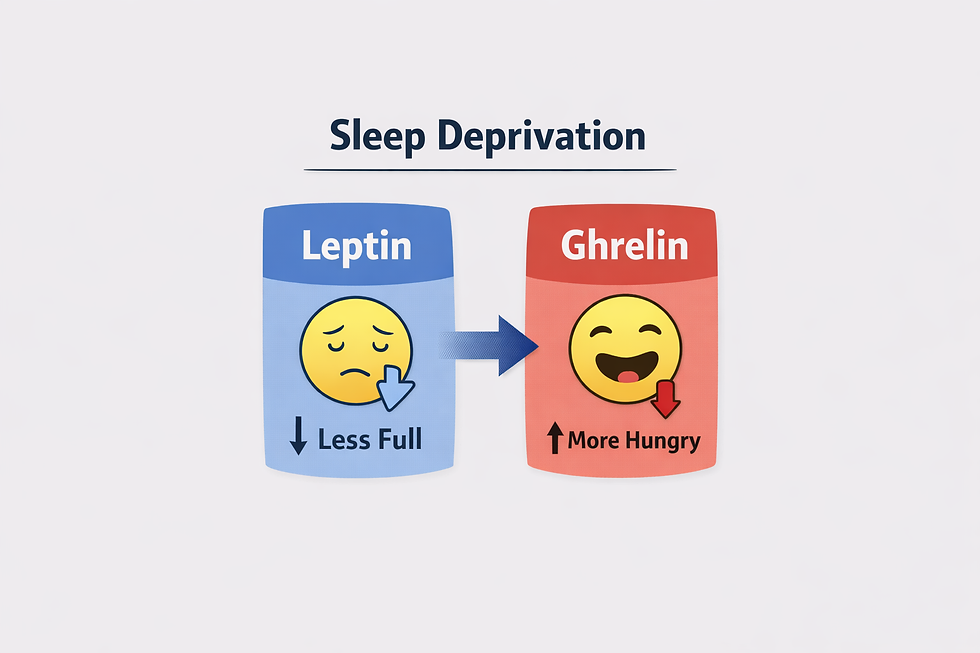
Two hormones play a major role in regulating hunger and fullness: leptin and ghrelin. Leptin is produced by fat cells and signals to the brain that you have enough energy stored. In simple terms, leptin tells your body, “You’re full. Stop eating.” Ghrelin, on the other hand, is known as the “hunger hormone.” It is produced mainly in the stomach and signals to the brain that it’s time to eat.
When you are well-rested, these hormones work together in balance. Leptin levels remain stable, helping you feel satisfied after meals, while ghrelin rises and falls in a predictable rhythm throughout the day. However, when sleep is insufficient, this balance is disrupted. Studies show that sleep deprivation causes leptin levels to decrease and ghrelin levels to increase. As a result, you feel less full and more hungry at the same time.
This hormonal shift explains why people often feel unusually hungry after a poor night’s sleep—even if they ate enough the day before. It’s not a lack of willpower; it’s biology.
Why Short Sleep Leads to Stronger Food Cravings
Sleep deprivation doesn’t just increase hunger—it also changes the type of food you want. Research has consistently found that people who sleep fewer than six hours per night are more likely to crave high-calorie, high-fat, and sugary foods. These foods provide quick energy and stimulate the brain’s reward system, which is especially appealing when the brain is fatigued.
When you are tired, the prefrontal cortex—the part of the brain responsible for decision-making and self-control—becomes less active. At the same time, the brain’s reward centers become more sensitive to food cues. This means that after a night of poor sleep, resisting sweets, fast food, or late-night snacks becomes significantly harder.
In practical terms, this is why someone who is sleep-deprived might reach for a donut instead of a balanced breakfast, or crave chips and chocolate late in the evening. The body is seeking quick comfort and energy, not long-term nutritional balance.
The Impact of Sleep on Metabolism and Energy Use
Lack of sleep also affects how your body processes and uses energy. Sleep deprivation can reduce insulin sensitivity, making it harder for the body to manage blood sugar levels effectively. Over time, this can increase the risk of weight gain and metabolic disorders.
Additionally, when you are tired, your body tends to conserve energy. You may feel less motivated to move, exercise, or stay physically active throughout the day. Even small reductions in daily movement can add up over time, contributing to gradual weight gain.
Combined with increased appetite and stronger cravings, this creates a perfect storm: you eat more, crave unhealthy foods, and move less—all because of insufficient sleep.
Why Sleep Should Come Before Diet and Exercise
Many people who struggle with dieting respond by cutting calories further or increasing exercise intensity. While these strategies may work temporarily, they often fail in the long run if sleep remains inadequate. In fact, trying to diet while chronically sleep-deprived can make the process feel miserable and unsustainable.
Prioritizing sleep first can make healthier eating habits feel more natural and less forced. When you are well-rested, hunger signals are more accurate, cravings are easier to manage, and decision-making improves. Instead of constantly battling urges, your body begins to support your goals.
For this reason, many health experts recommend focusing on sleep quality before making drastic changes to diet or exercise routines. Sleep is not a luxury—it is a foundation.
Practical Tips for Improving Sleep Quality

Improving sleep does not require extreme measures. Small, consistent habits can make a meaningful difference over time.
One of the most effective steps is limiting smartphone and screen use before bedtime. Blue light from screens can suppress melatonin production, making it harder to fall asleep. Try setting a rule to stop using your phone at least 30 to 60 minutes before bed.
Lighting also matters. Dimming the lights in the evening helps signal to your brain that it is time to wind down. Bright overhead lighting can confuse your internal clock and delay sleep onset.
Creating a calming pre-sleep routine is another powerful strategy. Activities such as reading a book for 30 minutes, stretching lightly, or practicing deep breathing can help transition your body into sleep mode. Consistency is key—doing the same routine each night trains your brain to associate these activities with rest.
Finally, aim for regular sleep and wake times, even on weekends. A consistent schedule supports your circadian rhythm and improves sleep quality over time.
Long-Term Benefits Beyond Appetite Control
Better sleep doesn’t just help control appetite—it improves nearly every aspect of health. Adequate sleep supports immune function, emotional regulation, memory, and overall energy levels. Many people are surprised to find that once their sleep improves, their mood stabilizes, stress levels decrease, and motivation increases naturally.
From a weight management perspective, good sleep makes healthy habits easier to maintain. Instead of relying on constant discipline, your body begins to work with you rather than against you.
Conclusion
If you find yourself constantly hungry, craving unhealthy foods, or struggling to stick to a diet, the problem may not be your diet at all—it may be your sleep. Sleep deprivation disrupts appetite hormones, increases cravings for high-calorie foods, and weakens self-control. Over time, these effects can make weight management extremely challenging.
Rather than focusing solely on calories or workouts, consider setting “better sleep” as your first goal. By limiting screen time before bed, reducing evening light exposure, and establishing a relaxing nighttime routine, you can improve sleep quality and support healthier eating patterns naturally. In the long run, prioritizing sleep may be one of the most effective—and sustainable—steps you can take toward better health.


Comments